Wake windows: how to spot an overtired baby
Learn what a wake window is, age-by-age ranges, the early sleepy cues that signal overtiredness, and safe sleep basics for every nap.
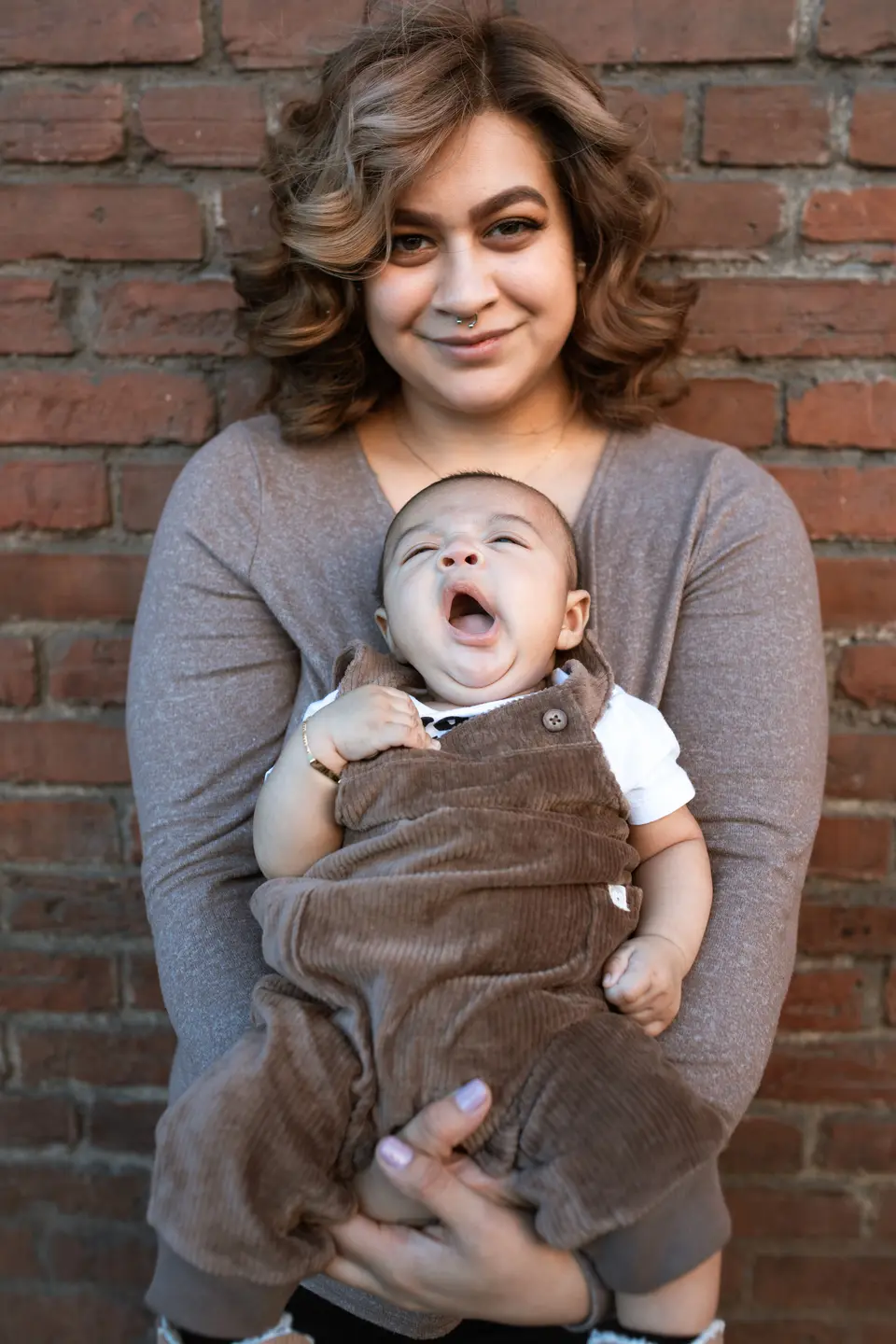
In short
A wake window is the stretch of time your baby is awake between naps. It has a rough age-based range. The goal is to put your baby down while they're sleepy but still awake, not overtired. Watch for early sleepy cues like yawning, eye-rubbing, or slowing down. These show up before the overtired crying starts. That's your cue to start winding down toward the next nap. No matter the wake window, always place your baby on their back for every sleep until age 1. Side or stomach sleeping sharply raises the risk of SIDS (sudden infant death syndrome).
Sourced from Cleveland Clinic, NICHD (Safe to Sleep) · Updated August 15, 2026
Has your calm, happy baby ever gone from giggly to inconsolable in what feels like sixty seconds flat? You haven't imagined it, and you haven't done anything wrong. More often than not, the culprit is a wake window that quietly ran past its sweet spot. The good news: wake windows are learnable, and the warning signs are recognizable. Once you know what to look for, those blindside meltdowns become a lot rarer.
This guide covers what a wake window actually is, and roughly how long they run at each age. It covers the early sleepy cues that tell you time is running out, and why timing naps well matters for more than just your own sanity. It also covers a few safe sleep basics worth keeping in mind every time you put your baby down.
What is a wake window, exactly?
A wake window is simply the amount of time your baby is awake between naps. It begins the moment they open their eyes and ends when you lay them down for the next sleep, according to Cleveland Clinic. It sounds almost too simple to be useful. But it's a genuinely helpful frame for a tired parent. Instead of guessing minute to minute whether your baby is ready for a nap, you have a rough window to aim for.
No baby follows a stopwatch perfectly, and that's fine. Think of the wake window less as a rule and more as a planning tool. It's a way to start watching the clock a little before you'd otherwise start watching for meltdown behavior.
How long should wake windows be at each age?
Cleveland Clinic pediatrician Dr. Kristin Barrett offers these general ranges, which tend to stretch longer as your baby grows:
Birth to 1 month: about 30 minutes to 1 hour. 1 to 3 months: about 1 to 2 hours. 3 to 4 months: about 1.25 to 2.5 hours. 5 to 7 months: about 2 to 4 hours. 7 to 10 months: about 2.5 to 4.5 hours. 10 to 12 months: about 3 to 6 hours.
That wide range is on purpose. Babies vary, and so does the same baby from one day to the next. Use these numbers as a starting point for when to begin watching closely — not as a countdown timer you need to hit exactly.
What are the early signs my baby is overtired?
The clock is a helpful backup, but your baby's own body language is the more reliable signal. Common signs your baby is getting sleepy — and at risk of becoming overtired if the wake window runs too long — include yawning, rubbing their eyes, blinking more often, staring off, and a general drop in activity.
These cues tend to show up gradually and quietly, before the loud, unmistakable overtired crying starts. The moment you notice one or two of them, that's your cue to start winding down toward the next nap — rather than squeezing in one more errand or activity.
Why is 'sleepy but awake' the sweet spot?
The whole point of tracking wake windows is to catch that in-between moment — sleepy, but still awake — when you put your baby down. This timing matters. It helps babies learn to self-soothe and fall asleep on their own, rather than needing to be rocked or fed all the way to sleep every time.
If your baby isn't there yet, don't worry. Most babies can start learning self-soothing skills around 3 months old. If you have a younger baby who needs more hands-on help to drift off, that's expected — not a setback.
What safe sleep rules should I never skip?
As you get better at reading wake windows and sleepy cues, pair that skill with the single most effective thing you can do to reduce your baby's risk of SIDS (sudden infant death syndrome) and other sleep-related death: always place your baby on their back to sleep. Do this for every nap and every nighttime sleep, until they turn 1 — including babies with reflux.
Side sleeping isn't a safe middle ground. It's unstable, and babies placed on their side often roll onto their stomach — the position linked to the highest SIDS risk. Even a baby who normally sleeps on their back can face much greater risk if switched to their stomach or side for even a single nap. Some studies found the risk climbs as much as 45 times higher in that scenario. So no matter how tempting a different position feels during a rough overtired stretch, back to sleep stays the rule — every time, for every sleep.
Frequently asked questions
What exactly is a wake window, in plain terms?
A wake window is simply the stretch of time your baby is awake between naps — it starts the moment they wake up and ends when you put them down for the next nap. It's a way of thinking about sleep readiness by the clock, alongside watching your baby's own cues.
What are the general wake window ranges by age?
According to Cleveland Clinic pediatrician Dr. Kristin Barrett, typical ranges are: birth to 1 month, 30 minutes to 1 hour; 1 to 3 months, 1 to 2 hours; 3 to 4 months, 1.25 to 2.5 hours; 5 to 7 months, 2 to 4 hours; 7 to 10 months, 2.5 to 4.5 hours; and 10 to 12 months, 3 to 6 hours. Windows generally get longer as your baby grows, and these are starting points, not strict rules.
What are the first signs my baby is getting sleepy?
Watch for yawning, rubbing their eyes, blinking more often than usual, staring off into space, and a general drop in activity level. These are your cue that the current wake window may be closing — and that if you wait too much longer, overtiredness (and a harder time settling) can follow.
My baby doesn't seem to self-soothe yet — is that a problem?
Not at all. Most babies can start learning self-soothing skills around 3 months old. Before that age, needing more hands-on help to fall asleep is developmentally expected, not a sign anything is wrong.
Is it ever okay to let my baby nap on their side or stomach if they seem to settle better that way?
No — always place your baby on their back for every sleep, naps and nighttime alike, until they turn 1, and this includes babies with reflux. Side sleeping isn't recommended because it's unstable and babies often roll onto their stomach, the position linked to the highest SIDS risk. Even switching a back-sleeping baby to their side or stomach for just one nap has been shown in some studies to raise SIDS risk as much as 45 times.
Sources
- A "wake window" is defined as the amount of time a baby is awake between naps, running from when the baby wakes up to when they are put down for the next nap. — Cleveland Clinic
- Cleveland Clinic pediatrician Dr. Kristin Barrett gives expected wake window ranges by age: birth to 1 month, 0.5 to 1 hour; 1 to 3 months, 1 to 2 hours; 3 to 4 months, 1.25 to 2.5 hours; 5 to 7 months, 2 to 4 hours; 7 to 10 months, 2.5 to 4.5 hours; and 10 to 12 months, 3 to 6 hours, with each window generally getting longer with time. — Cleveland Clinic
- Common signs that a baby is getting sleepy (and at risk of becoming overtired if a wake window is not ended in time) include yawning, rubbing their eyes, blinking more often, staring off, and a general decrease in activity level. — Cleveland Clinic
- The goal of tracking a baby's wake window is to put them down for a nap when they are sleepy but still awake, which helps them learn to self-soothe and fall asleep independently; most babies can start learning self-soothing skills around 3 months old. — Cleveland Clinic
- The single most effective action parents and caregivers can take to reduce a baby's risk of SIDS and other sleep-related death is to always place the baby on their back to sleep, for both naps and nighttime sleep, until age 1 — including babies with reflux. — NICHD (Safe to Sleep)
- Switching a baby who normally sleeps on their back onto their stomach or side for sleep, even just for a single nap, greatly increases SIDS risk — up to 45 times higher in some studies — and side sleeping is not recommended because it is unstable and babies often roll onto their stomach, the position associated with the highest SIDS risk. — NICHD (Safe to Sleep)
Educational information, not medical advice — always consult your doctor.